Gothic Candleholder with Roses and Moon Review
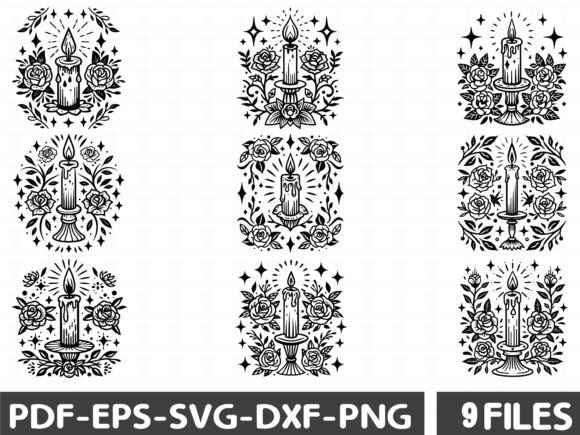
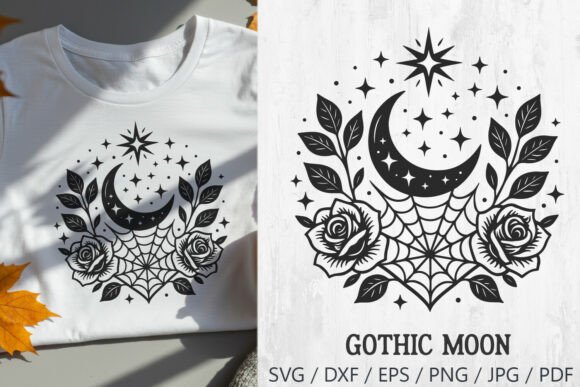
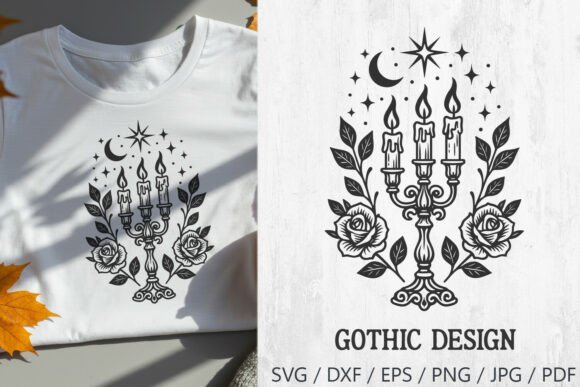
When I first pulled up the Gothic Candleholder with Roses and Moon on my screen, the immediate impression was one of atmospheric balance. As a designer who spends hours staring at digitized patterns, I look for more than just a pretty picture; I look for structural integrity and mood. This piece, categorized under Illustrations and Graphics, immediately suggests a narrative. It isn't just a collection of objects; it is a scene. The silhouette of the three burning candles, framed by climbing roses and capped with a crescent moon and stars, creates a specific "witchy" aesthetic that is currently dominating the handmade market. However, seeing a graphic on a monitor is vastly different from watching a machine bring it to life on fabric. My goal here is to break down how this design translates from a digital file to a tangible, stitched reality.
First Impressions: Mood and Layout
The composition of the Gothic Candleholder with Roses and Moon feels intentionally vertical, which is excellent for specific applications like tote bag sides or the back yoke of a denim jacket. The interplay between the rigid geometry of the candleholder and the organic flow of the rose vines offers a nice textural contrast. In terms of embroidery, this suggests a mix of stitch types. I anticipate the candle flames and the moon will rely on smooth satin stitch columns to catch the light, while the roses and the metalwork of the holder will likely utilize fill stitch to create depth and shadow. The presence of stars implies fine running stitch details, which can be tricky depending on the scale.
The mood is undeniably dark romantic. It fits perfectly into the current trend of gothic home decor and mystical apparel. For an Etsy seller or a boutique owner, this design assets offers a ready-made branding element that speaks to a niche audience without needing excessive modification. It feels mature, slightly mysterious, and highly giftable.
Real-World Application: The Custom Sweatshirt Test
To truly evaluate this machine embroidery design, I imagined a real-life scenario: creating a limited run of custom sweatshirts for a fall collection. I visualized placing the Gothic Candleholder with Roses and Moon on the upper back of a heavy-weight, charcoal grey fleece. This is a common request for small shop products, especially leading up to Halloween or the holiday season.
In this context, the design shines. The three candles provide a focal point that draws the eye, while the surrounding elements fill the space without looking cluttered. On a dark fabric, using metallic gold or deep burgundy thread colors would make the flames and roses pop, enhancing the finished product's perceived value. Customers are drawn to items that feel personal and unique; wearing a sweatshirt with this level of detail signals a higher price point than a simple screen-printed logo. It transforms a basic garment into a statement piece of custom apparel.
However, the success of this project hinges on execution. If the stitch density is too high for the fleece, the fabric might pucker, ruining the smooth lines of the moon. Conversely, if the density is too low, the dark fabric might show through the fill areas, making the design look sparse. This is why understanding the specific nature of the embroidery file is crucial before committing to a production run.
Navigating Fabric Challenges and Hoop Constraints
While the design is visually striking, there are practical constraints to consider. The intricate details of the candle flames and the tiny stars require careful attention to hoop size. If you are working with a standard 4x4 hoop, you might find yourself cropping out the upper stars or the base of the holder, which would disrupt the composition. For a project like an embroidered patch or a cap, where space is limited, this design might need to be scaled down significantly.
Scaling down introduces risks. Fine details like the star points or the thin edges of the candle wax can become lost or merge together if the design is reduced too much. On textured fabrics like terry cloth towels or rough linen, these small elements might not stitch out cleanly. I would advise against using this on highly textured fabric texture surfaces unless you are confident in your stabilizer game. A cut-away stabilizer would be non-negotiable here to prevent distortion, especially since the design covers a decent surface area.
Furthermore, curved surfaces like baseball caps present a challenge. The vertical nature of the candleholder might distort when stitched over the curve of a cap front. It is generally safer to stick to flat surfaces like tote bag design panels, pillow covers, or the flat back of jackets for this specific graphic.
Commercial Viability and Brand Consistency
For craft business owners, consistency is key. The Gothic Candleholder with Roses and Moon offers a strong visual identity that can be replicated across various products. Imagine offering this as a motif on a series of holiday embroidery items—tea towels for Thanksgiving, aprons for the spooky season, or even baby embroidery on a dark-colored onesie (provided the stitch count and softness are appropriate for sensitive skin).
The versatility of this digital embroidery file extends to marketing as well. It makes for compelling printable mockup images. Because the subject matter is so distinct, it photographs well, helping to drive engagement on social media and product listings. A cohesive brand that utilizes this gothic theme across their small shop product line can build strong recognition. Customers begin to associate that specific moon-and-rose aesthetic with your brand, fostering trust and loyalty.
Practical Designer Notes for Success
Before you load this design into your machine for a client order, there are several steps you should take to ensure professional results:
- Test on Scrap Fabric: Always stitch a sample on the exact same material and weight you intend to use for the final product. This reveals issues with puckering or thread breaks.
- Check Thread Contrast: View your design in black and white on your computer screen. If the different elements blend together in grayscale, they might lack definition when stitched. Adjust your thread palette to ensure the candles stand out from the roses.
- Review Stitch Density: Look closely at the preview. Are there areas where stitches overlap excessively? High density can lead to needle heat and thread breakage, particularly with metallic threads often used in gothic designs.
- Confirm Licensing: Since this is a graphic intended for commercial use, verify the license terms. Ensure you are allowed to sell finished physical items like shirts or bags, and clarify if you can resell the digital file itself.
- Inspect Small Details: Zoom in on the stars and the flame tips. If they look jagged in the preview, they will look worse in thread. You may need to manually edit the file or choose a larger hoop size to preserve these details.
In conclusion, the Gothic Candleholder with Roses and Moon is a potent design asset for the right creator. It bridges the gap between illustrative art and functional embroidery. While it demands respect regarding fabric choice and sizing, its potential to elevate a handmade product is significant. Whether you are decorating a personalized gift or building a catalog of commercial embroidery items, this design offers the kind of moody elegance that customers love to buy. Just remember: the magic is in the stitching, so plan your approach carefully to let this gothic beauty shine.